
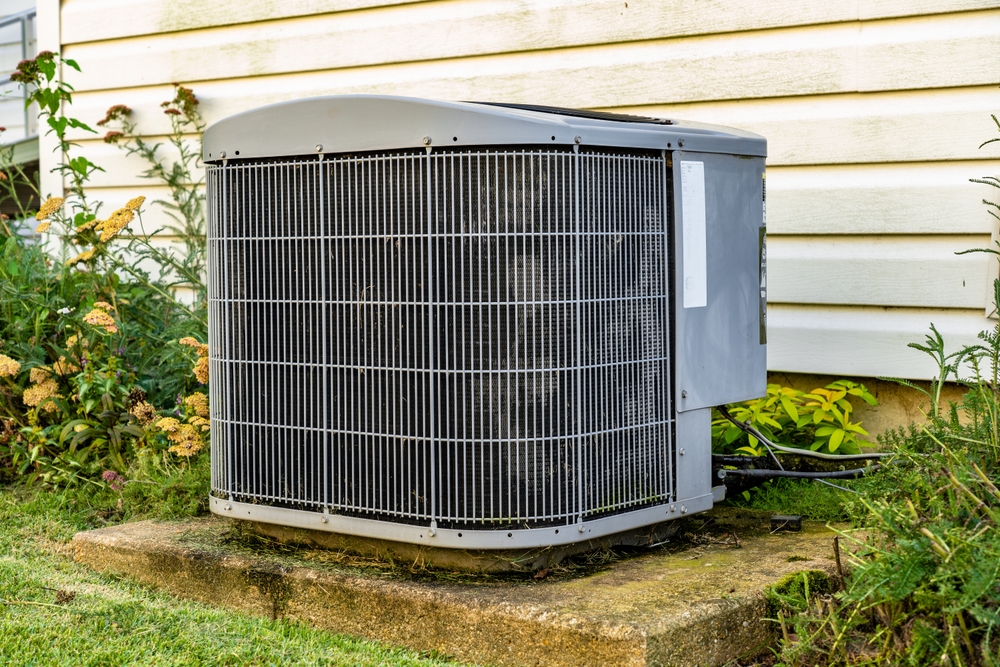
When to Replace Your AC Unit in Oklahoma City: Signs It’s Time for a New High-Efficiency System
July 27, 2026 3:13 pm Leave your thoughtsOklahoma summers are known for long stretches of intense heat, high humidity, and sudden weather swings that put air conditioners to the test. If your cooling system has struggled to keep your home comfortable through recent summers, you may be wondering whether another repair is worth it or if it’s finally time to replace the unit.
Quick Answer
If your air conditioner is more than 10 to 15 years old, requires frequent repairs, struggles to cool your home evenly, or causes unusually high energy bills, it may be time to replace it with a new high-efficiency AC system. Oklahoma City homeowners often benefit from upgrading before peak summer demand, allowing them to improve comfort, reduce operating costs, and avoid unexpected breakdowns.
What Local Readers Should Know
-
Air conditioners in Oklahoma City experience significant wear because of extended periods of high summer temperatures.
-
Older systems may still operate but often consume substantially more electricity than modern high-efficiency equipment.
-
Dust, pollen, and seasonal storms common across central Oklahoma can increase system strain if maintenance has been neglected.
-
Planning a replacement before the hottest months helps avoid emergency installations during periods of heavy service demand.
-
Choosing the right size and efficiency rating is just as important as selecting a new unit.
Why This Matters Locally
Replacing an aging air conditioner is especially important for homeowners across Oklahoma City because cooling systems often operate for extended periods throughout the summer. Neighborhoods like Nichols Hills, Edmond, Moore, Yukon, Mustang, and Midwest City all experience the same demanding climate that pushes HVAC equipment hard for months at a time.
Homes built decades ago may also have aging ductwork or insulation that affects system performance. Combined with heavy cooling demands and seasonal dust, these factors can shorten equipment lifespan and reduce efficiency.
At Dailey Heating & Air Conditioning, we help homeowners evaluate whether repairing an existing system or upgrading to a new high-efficiency model makes the most financial and practical sense for their property.
Local Data and Field Observations
According to the National Weather Service, central Oklahoma regularly experiences prolonged summer heat, with temperatures frequently reaching the 90s and occasionally exceeding 100 degrees. Extended cooling seasons naturally increase wear on compressors, motors, and other major air conditioning components.
From our field experience serving local homeowners, older systems often begin showing multiple signs of decline after years of operating through these demanding conditions.
Local Impact
An aging AC system affects more than indoor comfort.
For many Oklahoma homeowners, an inefficient system can lead to:
-
Higher monthly electric bills
-
Uneven temperatures between rooms
-
Longer cooling cycles
-
Increased indoor humidity
-
Greater risk of complete failure during extreme heat
-
Reduced indoor air quality due to declining airflow
These problems often become more noticeable during July and August when cooling systems rarely get a break.
Warning Signs It’s Time for a New High-Efficiency System
1. Your AC is Over 10 to 15 Years Old
Most central air conditioning systems have an expected service life of approximately 10 to 15 years with proper maintenance. Older equipment generally becomes less efficient and more expensive to maintain.
2. Frequent Repairs Are Becoming Common
Occasional repairs are expected, but repeated service calls every cooling season often indicate that major components are nearing the end of their lifespan.
3. Energy Bills Continue to Rise
If your electricity usage hasn’t changed but your cooling costs continue climbing, your system may be working much harder than it should.
4. Uneven Cooling Throughout the Home
Hot upstairs bedrooms, warm living areas, or inconsistent temperatures often indicate declining performance or an improperly functioning system.
5. Strange Noises or Vibrations
Grinding, squealing, rattling, or banging sounds may point to worn mechanical components that become increasingly expensive to repair.
6. Poor Humidity Control
Modern high-efficiency systems generally provide better humidity management, helping homes feel more comfortable without constantly lowering the thermostat.
7. Refrigerant Issues
Older systems that use outdated refrigerants may become more costly to repair as replacement refrigerants become less available.
When to Call a Professional
You should schedule a professional evaluation if your system repeatedly loses cooling performance, cycles constantly, trips breakers, leaks refrigerant, or requires multiple repairs within a short period.
Homeowners can safely replace air filters, keep outdoor units clear of debris, and monitor thermostat settings. Diagnosing refrigerant issues, electrical components, compressors, or airflow problems should always be left to qualified HVAC technicians.
Common Local Causes of Early AC Replacement
Several local factors contribute to shorter equipment life in central Oklahoma.
Extended Summer Heat
Long cooling seasons force systems to operate for thousands of hours every year.
Dust and Wind
Seasonal winds can clog outdoor condenser coils with dirt, grass clippings, and debris, reducing efficiency.
Severe Weather
Thunderstorms and hail occasionally damage outdoor equipment or electrical components.
Aging Homes
Older homes throughout parts of Oklahoma County may have ductwork, insulation, or airflow challenges that place additional stress on HVAC systems.
Deferred Maintenance
Skipping annual tune-ups allows minor problems to grow into expensive failures over time.
Prevention and Maintenance
While every system eventually reaches the end of its lifespan, regular maintenance helps maximize performance.
Helpful practices include:
-
Replace air filters regularly.
-
Keep vegetation away from the outdoor condenser.
-
Schedule annual professional maintenance before summer begins.
-
Keep supply and return vents unobstructed.
-
Watch for unusual sounds or declining airflow.
-
Address minor repairs promptly before they become larger problems.
Expected Results from Upgrading
Replacing an older air conditioner with a properly sized high-efficiency system can provide:
-
More consistent indoor temperatures
-
Lower monthly energy consumption
-
Improved humidity control
-
Quieter operation
-
Increased reliability
-
Better overall comfort during Oklahoma’s hottest months
Actual energy savings vary depending on the home’s insulation, ductwork, thermostat settings, and equipment selection.
Common Mistakes
Waiting Until Complete Failure
Consequence: Emergency replacement options may be limited during peak summer demand.
Better Approach: Begin evaluating replacement options when repairs become more frequent.
Choosing Equipment Based Only on Price
Consequence: An improperly sized or low-efficiency system may cost more to operate over time.
Better Approach: Consider long-term operating costs along with installation quality.
Ignoring Annual Maintenance
Consequence: Small issues can shorten equipment life.
Better Approach: Schedule preventative maintenance every year.
Common Local Scenario
A homeowner in the Oklahoma City area notices that their 14-year-old air conditioner runs nearly all afternoon but never quite reaches the thermostat setting. After multiple repairs over two summers and steadily increasing utility bills, a professional evaluation shows that replacing the aging system would likely provide better long-term value than continuing repairs.
Related Service Solutions
Several HVAC services can help address cooling concerns, including:
-
Air conditioning replacement
-
New high-efficiency system installation
-
Seasonal AC maintenance
-
Air conditioning repair
-
Indoor air quality improvements
-
Smart thermostat installation
-
Duct inspection and airflow evaluation
Comparing Your Options
| Option | Best For | Advantages | Considerations |
|---|---|---|---|
| Continue Repairing | Minor issues on newer systems | Lower short-term cost | Repairs may become more frequent |
| Replace with High-Efficiency System | Older systems with recurring problems | Better efficiency, reliability, and comfort | Higher initial investment |
| Preventative Maintenance | Systems in good condition | Helps maximize lifespan | Does not eliminate normal aging |
Service Areas
We proudly serve homeowners throughout Oklahoma City and nearby communities including Edmond, Moore, Yukon, Mustang, Midwest City, and surrounding areas across central Oklahoma.
Cost of Ignoring the Issue
Delaying replacement may lead to higher operating costs, increasing repair expenses, and a greater chance of complete system failure during extreme summer heat. Planning ahead allows homeowners more time to compare equipment options and schedule installation before peak demand.
Frequently Asked Questions
How long do air conditioners usually last in Oklahoma City?
Most central air conditioning systems last about 10 to 15 years. Oklahoma City’s long cooling season and extended summer heat can increase wear, making regular maintenance especially important for maximizing equipment life.
Is it better to repair or replace my AC?
If your system is relatively new and the repair is minor, repairing it often makes sense. If it is older, requires frequent repairs, or struggles to cool your home efficiently, replacement may provide better long-term value.
Will a high-efficiency system lower my energy bills?
Yes. High-efficiency air conditioners generally use less electricity than older equipment when properly sized and installed. Actual savings depend on your home, usage habits, insulation, and ductwork.
When is the best time to replace an AC system in Oklahoma City?
Spring and early fall are often convenient times because demand is typically lower than during peak summer months. Planning ahead also helps reduce the risk of emergency replacement during extreme heat.
Can uneven cooling mean I need a new AC?
Possibly. Uneven cooling may result from aging equipment, airflow restrictions, ductwork issues, or incorrect system sizing. A professional inspection can identify the underlying cause.
Do newer systems control humidity better?
Yes. Many modern high-efficiency systems provide improved humidity control, helping homes feel more comfortable while reducing excessive indoor moisture.
What efficiency rating should I consider?
The ideal efficiency rating depends on your home, budget, and cooling needs. A qualified HVAC professional can recommend equipment that balances energy savings with overall performance.
Should I replace my furnace at the same time?
If both systems are similar in age, replacing them together may improve compatibility and efficiency. However, every home’s situation is different and should be evaluated individually.
Closing
Replacing your air conditioner is a significant investment, but waiting too long can lead to higher operating costs, recurring repairs, and unexpected breakdowns during Oklahoma’s hottest weather. Understanding the warning signs helps homeowners make informed decisions before comfort becomes an emergency.
Upgrade Your Home Comfort with Confidence
Whether you’re dealing with an aging air conditioner or exploring high-efficiency replacement options, we’re here to help you make an informed decision that fits your home and budget.
Categorised in: Air Conditioning
This post was written by admin