
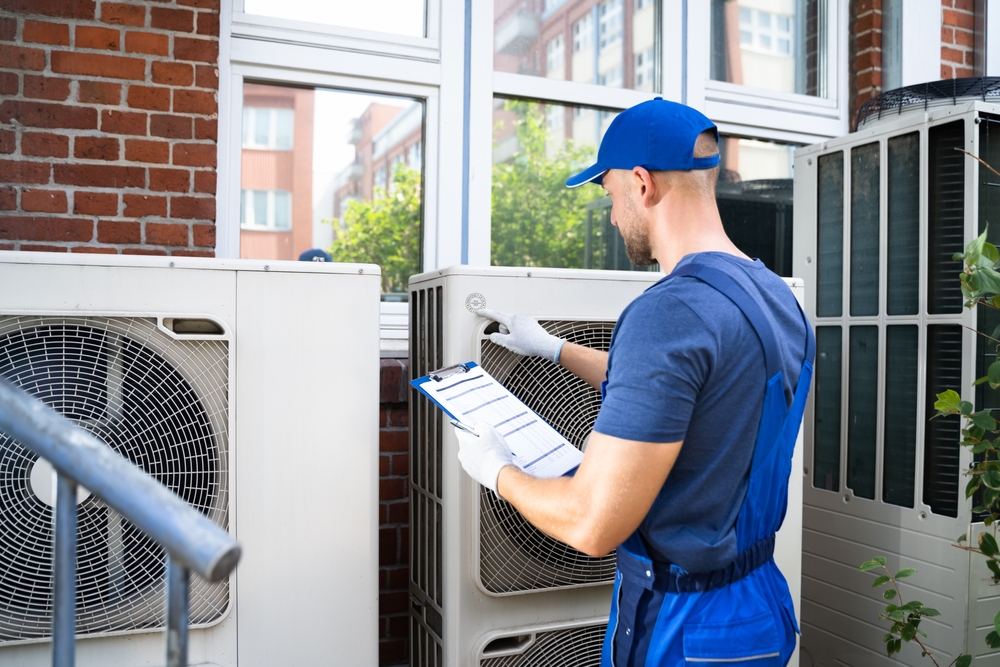
How Oklahoma City Homeowners Can Prepare Their HVAC System for Extreme Summer Heat Waves
August 14, 2026 1:52 pm Leave your thoughtsA stretch of triple-digit or near-triple-digit heat can put an Oklahoma City air conditioner under sustained pressure, especially when hot afternoons are followed by warm nights. For homeowners, preparing before a heat wave arrives can mean better indoor comfort, fewer surprises, and less strain on cooling equipment when it is needed most.
Quick answer: Oklahoma City homeowners can prepare their HVAC system for extreme summer heat by replacing dirty filters, clearing debris around the outdoor condenser, checking thermostat settings, keeping supply and return vents unobstructed, reducing afternoon heat gain, and scheduling professional HVAC maintenance before problems appear. During extreme heat, avoid drastic thermostat changes and watch for signs that the system is struggling to maintain normal cooling.
What local homeowners should know
-
HVAC preparation is most effective before an extended heat wave, rather than after the air conditioner begins struggling.
-
Oklahoma City summers can bring long periods of intense afternoon heat that keep cooling equipment operating for extended cycles.
-
Homes in neighborhoods such as Edmond, The Village, Nichols Hills, and northwest Oklahoma City can vary considerably in age, insulation, ductwork, and HVAC configuration.
-
A clean filter and unobstructed outdoor condenser are simple homeowner checks that can support normal airflow.
-
Unusual noises, weak airflow, repeated cycling, water around indoor equipment, or unexpectedly warm air should be investigated before the hottest part of the day.
Why Extreme Heat Is Hard on HVAC Systems in Oklahoma City
Extreme heat is hard on Oklahoma City HVAC systems because air conditioners must remove indoor heat while outdoor conditions make releasing that heat more difficult. During a prolonged heat wave, equipment may run much longer than it does during milder weather, exposing existing airflow, electrical, refrigerant, or maintenance problems.
The National Weather Service in Norman tracks Oklahoma City climate conditions using a 1991 to 2020 normal period. For example, its July 11, 2026 climate report listed a normal daily high of 93°F for that date. That provides useful context for just how demanding the middle of summer can already be before temperatures climb above normal.
Homes across Oklahoma County also present different cooling challenges. An older house near the urban core may have different insulation, windows, ductwork, and air leakage than newer construction around Edmond or Deer Creek.
At Dailey Heating & Air Conditioning, we understand that preparing a cooling system for local summer conditions involves looking at the whole system, not simply lowering the thermostat.
What Local Data and Summer Conditions Tell Homeowners
Local weather and utility information shows that Oklahoma homeowners should prepare for both heavy cooling demand and higher afternoon electricity demand during summer. That combination makes HVAC efficiency, maintenance, and smart thermostat use especially relevant during prolonged hot weather.
OG&E identifies 2 p.m. to 7 p.m. as its weekday summer peak period for residential SmartHours customers from June 1 through September 30. OG&E also recommends strategies such as pre-cooling before peak hours, closing blinds and curtains, and using ceiling fans to help manage afternoon energy use.
That does not mean every homeowner should follow the same thermostat schedule. Your rate plan, home’s insulation, HVAC capacity, occupancy, and comfort needs all matter. The broader lesson is simple: reducing unnecessary heat gain before the hottest afternoon hours can reduce some of the burden placed on your cooling system.
How Extreme Heat Can Affect Your Home
Extreme summer heat can increase HVAC runtime, energy use, indoor temperature differences, and wear on components throughout an Oklahoma City home. Problems that seem minor during an 85-degree day can become much more noticeable when the system operates for long stretches during severe heat.
Upstairs bedrooms may become warmer. Rooms with west-facing windows may gain heat rapidly in the afternoon. Restricted airflow can become more noticeable, and a system with an existing mechanical or electrical problem may struggle under sustained operation.
Homeowners should pay attention to changes from their home’s normal cooling performance rather than expecting an air conditioner to make every room feel identical under every outdoor condition.
Warning Signs Your HVAC System May Not Be Heat-Wave Ready
Warning signs that an HVAC system may not be ready for extreme heat include weak airflow, unusual operation, inconsistent temperatures, and cooling performance that has noticeably declined. Catching these symptoms before a major Oklahoma City heat wave can give homeowners more time to address the underlying problem.
Watch for:
-
Weak airflow from supply vents
-
Air that does not feel properly cooled
-
Unusual buzzing, rattling, grinding, or clicking
-
Frequent starting and stopping
-
Unexpectedly long operation combined with poor cooling
-
Water or excessive moisture around indoor HVAC equipment
-
Large temperature differences between rooms
-
A sudden change in normal electricity use without an obvious explanation
A single symptom does not identify the exact problem. Professional diagnosis may be needed to determine whether the cause involves airflow, controls, electrical components, refrigerant, ductwork, or another part of the system.
When Should You Call an HVAC Professional?
Homeowners should call an HVAC professional when cooling performance changes noticeably, equipment behaves abnormally, or basic safe checks do not correct the problem. During an Oklahoma City heat wave, addressing warning signs early can be especially useful because cooling systems may face their heaviest workload during the hottest afternoon hours.
Homeowners can safely check the thermostat, replace an accessible filter according to manufacturer guidance, confirm that vents are open, and remove loose leaves or debris around the outdoor unit.
Electrical repairs, refrigerant work, internal component testing, and equipment disassembly should be left to qualified professionals. If the system stops cooling entirely during dangerous heat, prioritize personal safety while arranging service.
Common Reasons Air Conditioners Struggle During Oklahoma Heat Waves
The most common reasons air conditioners struggle during Oklahoma heat waves include restricted airflow, dirty outdoor equipment, existing mechanical problems, duct losses, and excessive heat entering the home. Extreme weather often exposes weaknesses that were less noticeable during spring or early summer.
1. Restricted airflow: A dirty filter, blocked return, closed vent, or other airflow problem can interfere with normal system performance.
2. Outdoor condenser obstruction: Grass clippings, leaves, vegetation, and debris around the outdoor unit can interfere with airflow.
3. Deferred maintenance: Worn or deteriorating components may become more noticeable when the system runs for extended periods.
4. Duct or insulation issues: Conditioned air lost through duct leakage or heat entering through poorly insulated areas can make maintaining comfort harder.
5. Heavy solar heat gain: West-facing windows and strong afternoon sun can add substantial heat to living spaces.
Across Oklahoma County and nearby Canadian County, the specific combination depends heavily on the home’s construction, equipment, and maintenance history.
How to Prepare Your HVAC System Before a Heat Wave
The best heat-wave preparation is to improve airflow, reduce avoidable heat gain, verify normal system operation, and handle maintenance before extreme temperatures arrive. A short Oklahoma City HVAC checklist can help homeowners identify simple issues before the cooling system faces sustained summer demand.
Start by checking the HVAC filter and replacing it if needed according to the equipment or filter manufacturer’s instructions. Keep furniture, rugs, and household items away from supply and return vents.
Outside, visually inspect the condenser. Keep vegetation and loose debris from restricting airflow around the equipment, but avoid opening panels or attempting internal repairs.
Inside the house, close blinds or curtains on windows receiving strong afternoon sun. Check that the thermostat is operating normally, and avoid repeatedly making extreme temperature adjustments in an attempt to force faster cooling.
If maintenance is overdue or the system has already shown warning signs, schedule professional service before the next major heat event when possible.
What Results Can Homeowners Expect From HVAC Preparation?
Proper preparation can help an HVAC system operate under the best conditions its current equipment and home allow, but maintenance cannot overcome every capacity, insulation, or mechanical limitation. Homeowners should expect improved readiness and identification of potential problems, not a guarantee that an older or undersized system will maintain any thermostat setting during extreme weather.
Professional maintenance may identify airflow restrictions, worn components, electrical concerns, drainage issues, or other conditions that deserve attention.
If the equipment is aging or repairs are becoming more frequent, an inspection can also provide information homeowners can use when considering repair versus replacement.
Common Heat-Wave HVAC Mistakes to Avoid
The biggest heat-wave HVAC mistakes involve reacting too late, restricting airflow, or trying to make the system cool faster through extreme thermostat settings. A steadier approach is generally more useful during Oklahoma’s hottest periods.
Mistake: Waiting until the first extremely hot afternoon to check the system.
Consequence: Existing problems may appear when cooling demand is already high.
Better approach: Test performance and handle maintenance ahead of forecast heat.
Mistake: Blocking vents in unused rooms without understanding the HVAC design.
Consequence: This can alter system airflow.
Better approach: Keep normal supply and return pathways unobstructed unless a professional recommends otherwise.
Mistake: Setting the thermostat dramatically lower because the house feels warm.
Consequence: A lower setting does not necessarily make the equipment cool the home faster.
Better approach: Use reasonable settings and investigate abnormal performance.
A Common Oklahoma City Heat-Wave Scenario
A common local scenario is a system that appears adequate during moderate weather but struggles once several very hot afternoons occur in succession. The homeowner notices longer runtime, warmer bedrooms, or weaker comfort late in the day and assumes the air conditioner suddenly failed.
Sometimes the system does need repair. In other situations, restricted airflow, heavy afternoon solar gain, duct issues, insulation limitations, or accumulated maintenance needs contribute to the problem.
Because multiple causes can produce similar symptoms, diagnosis is more useful than guessing or replacing parts without testing.
HVAC Services That Can Help Before Extreme Heat
HVAC maintenance, diagnostic service, repair, and replacement evaluation can address different causes of poor summer cooling performance. The right service depends on the condition of the equipment, the home’s cooling needs, and what an inspection finds.
We can help homeowners determine whether a cooling concern points toward routine maintenance, a repair need, or a larger equipment issue. If replacement is being considered, the decision should account for the home’s characteristics and cooling requirements rather than relying only on the size of the existing unit.
DIY HVAC Preparation vs. Professional Service
DIY preparation is appropriate for basic visual and housekeeping checks, while professional service is appropriate for diagnosis, internal testing, electrical work, refrigerant-related concerns, and repairs. Oklahoma City homeowners can benefit from doing both rather than treating them as competing options.
Homeowners can check filters, vents, thermostat settings, window coverings, and outdoor-unit clearance. A professional can evaluate problems that require tools, measurements, equipment access, or technical HVAC knowledge.
If your air conditioner is already making unusual noises, failing to cool normally, or shutting down unexpectedly, a DIY checklist should not substitute for diagnosis.
Areas We Serve Around Oklahoma City
Our HVAC services support homeowners in Oklahoma City and surrounding communities where summer cooling is essential to household comfort. Local needs can vary across Oklahoma County and nearby areas, including Edmond, The Village, Nichols Hills, and Yukon.
Homes throughout the metro differ in age, construction, insulation, duct design, and cooling equipment, so preparation should reflect the property rather than a one-size-fits-all checklist.
What Can Happen If You Ignore HVAC Warning Signs?
Ignoring HVAC warning signs before an Oklahoma City heat wave can allow a manageable problem to become more disruptive when cooling demand peaks. Poor airflow, unusual cycling, declining performance, and mechanical symptoms deserve attention because extended hot-weather operation may place additional stress on equipment that is already struggling.
Waiting can also leave homeowners trying to arrange service during the exact period when reliable cooling matters most.
Frequently Asked Questions About Preparing for Extreme Heat
How early should I prepare my HVAC system for an Oklahoma City heat wave?
Prepare before extreme temperatures arrive whenever possible. Check the filter, thermostat, vents, and outdoor unit as soon as sustained hot weather enters the forecast. If the system has been noisy, inconsistent, or slow to cool, scheduling service before the hottest days gives you time to identify problems under less urgent circumstances.
Should my Oklahoma City air conditioner run continuously during extreme heat?
Long cooling cycles can occur during extreme heat, but continuous operation combined with poor comfort deserves attention. Runtime depends on outdoor temperature, thermostat setting, equipment sizing, insulation, air leakage, solar gain, and system condition. If your home becomes progressively warmer despite constant operation, professional evaluation may be appropriate.
What thermostat temperature should I use during an Oklahoma heat wave?
Use a comfortable, reasonable setting your HVAC system can maintain rather than repeatedly lowering the thermostat in large increments. The ideal setting varies by household, health needs, home construction, and energy plan. OG&E SmartHours customers may also want to consider how their cooling schedule interacts with summer peak pricing.
Can a dirty HVAC filter cause cooling problems in Oklahoma City?
Yes, a sufficiently dirty filter can restrict airflow and contribute to poor HVAC performance. Filter type, system design, household conditions, pets, remodeling dust, and manufacturer recommendations can all affect replacement frequency. Check the filter before periods of extreme summer heat and replace it when needed rather than relying on one universal schedule.
Should I hose down my outdoor AC unit before a heat wave?
Homeowners should be cautious about cleaning outdoor HVAC equipment beyond simple debris removal. You can keep leaves, grass, and vegetation away from the condenser, but cleaning methods depend on the equipment and its condition. Avoid opening electrical panels, bending coil fins, or performing internal work without appropriate HVAC knowledge.
Does closing blinds really help during an Oklahoma City heat wave?
Yes, reducing direct solar heat entering through windows can lower the amount of heat your HVAC system must address. OG&E specifically recommends keeping blinds and curtains closed as part of its summer energy-saving guidance. This can be particularly useful for windows receiving intense afternoon sun.
Should I repair or replace an older AC before Oklahoma’s hottest weather?
The decision should be based on equipment condition, repair needs, performance, age, and the home’s cooling requirements rather than the weather forecast alone. A professional evaluation can help identify whether a specific repair is reasonable or whether replacement options deserve consideration before another period of heavy summer operation.
What should I do if my AC stops working during extreme heat in Oklahoma County?
Arrange professional HVAC service and prioritize a safe, cooler environment while the system is down. Avoid opening electrical equipment or attempting refrigerant repairs yourself. If indoor conditions become unsafe, especially for vulnerable household members, consider relocating temporarily to an air-conditioned location while service is being arranged.
Prepare Your Home for the Next Oklahoma City Heat Wave
Extreme summer weather puts local cooling systems to the test, but homeowners do not have to wait for an air conditioner to stop working before paying attention. A clean, unobstructed, properly operating system is better positioned to handle the heavy cooling demands that come with an Oklahoma summer.
Keep Your Home Comfortable When Summer Heat Peaks
We can help identify HVAC problems, maintenance needs, and cooling concerns before they become more disruptive during severe summer weather.
Categorised in: HVAC Maintenance
This post was written by admin